Top 10 Best Marble cutter you can Buy
Top 10 Best Marble cutter you can Buy
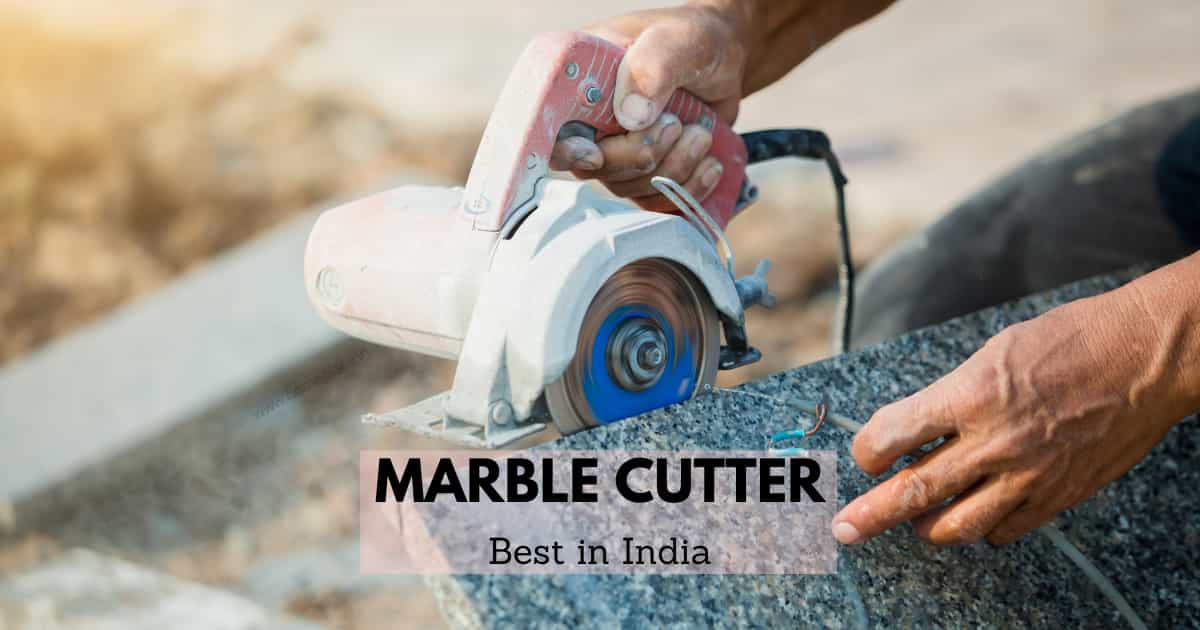
The ceramic tile cutter works by first scratching a straight line across the surface of the tile with a hardened metal wheel and then applying pressure directly below the line and on each side of the line on top. Snapping pressure varies widely, some mass-produced models exerting over 750 kg.
The cutting wheel and breaking jig are combined in a carriage that travels along one or two beams to keep the carriage angled correctly and the cut straight. The beam(s) may be height adjustable to handle different thicknesses of tiles.The base of the tool may have adjustable fences for angled cuts and square cuts and fence stops for multiple cuts of exactly the same size.
|
Cheston Marble Tile Stone Cutter Machine Capacity 110MM 1050 W 12000 RPM( Yellow) |

|
||
|
|
|||
|
Cheston Marble Tile Stone Cutter Machine Capacity 110MM 1200 W 13000 RPM |
|
||
|
|
|||
|
iBELL Marble Cutter / Multi Purpose Cutter 1050W, 13000Rpm With 6 Months Warranty |
|
||
|
JK Super Drive Marble Cutter 125mm / 5 Inch, 1250 W, 13800 RPM, Single Phase |
|
||
|
|
|||
|
AKSHAR Marble Cutter Machine Capacity 110MM (220~V) (1050 W) (12000 RPM) |
|
||
|
|
|||
|
|
|||
The first tile cutter was designed to facilitate the work and solve the problems that masons had when cutting hydraulic mosaic or encaustic cement tiles (a type of decorative tile with pigmented cement, highly used in 50s, due to the high strength needed because of the high hardness and thickness of these tiles).
Over the time the tool evolved, incorporating elements that made it more accurate and productive. The first cutter had an iron point to scratch the tiles. It was later replaced by the current tungsten carbide scratching wheel.
Another built-in device introduced in 1960 was the snapping element. It allowed users to snap the tiles easily and not with the bench, the cutter handle or hitting the tile with a knee as it was done before. This was a revolution in the cutting process of the ceramic world.


Most Read