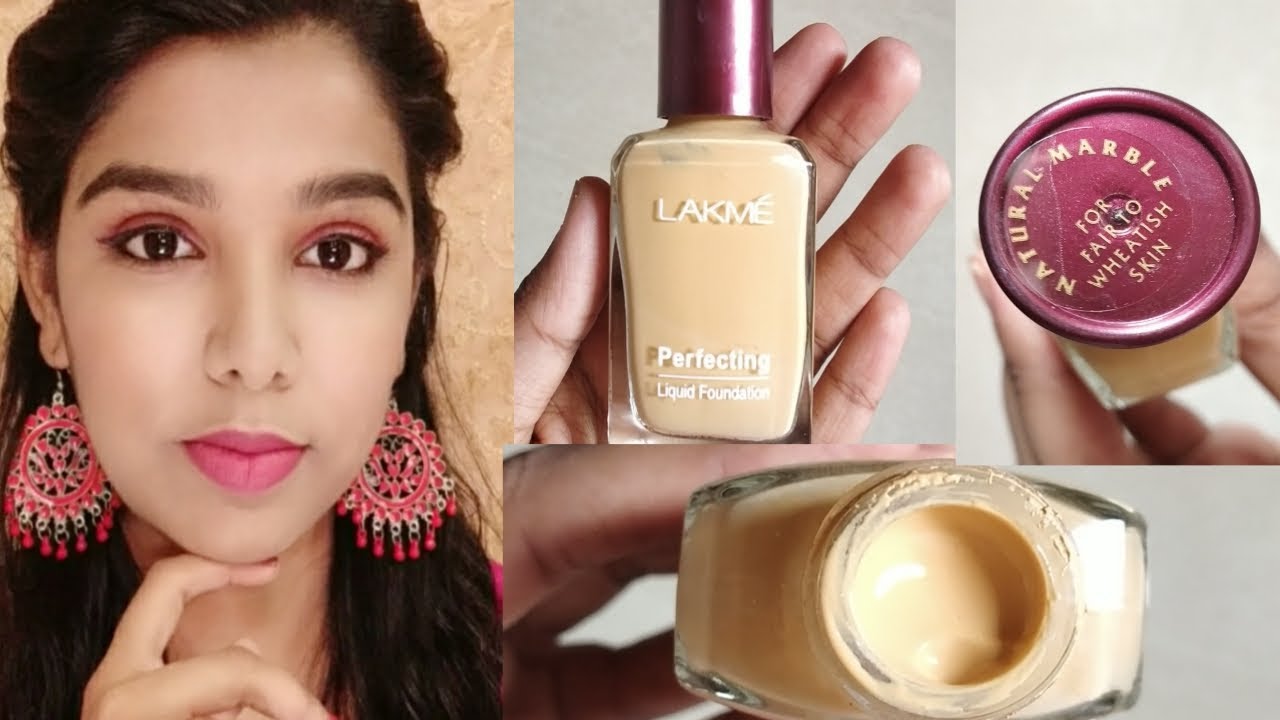
Foundation is a liquid or powder makeup applied to the face to create an even, uniform color to the complexion, cover flaws and, sometimes, to change the natural skin tone. Some foundations also function as a moisturizer, sunscreen, astringent or base layer for more complex cosmetics. Foundation applied to the body is generally referred to as "body painting" or "body makeup"
The use of cosmetics to enhance complexion reaches back into antiquity. "Face painting" is mentioned in the Old Testament. Ancient Egyptians used foundation. In 200 B.C., ancient Greek women applied white lead powder and chalk to lighten their skin. It was considered fashionable for Greek women to have a pale complexion. Roman women also favoured a pale complexion. Wealthy Romans favoured white lead paste, which could lead to disfigurements and death. Men also wore makeup to lighten their skin tone; using white lead powder, chalk, and creams. The cream was made from animal fat, starch, and tin oxide. The fat was rendered from animal carcasses and heated to remove the color. Tin oxide was made out of heating tin metal in the open air. The animal fat provided a smooth texture, while the tin oxide provided colour to the cream.
Cosmetic companies classify their foundations Warm, Neutral, Olive, or Cool based on matching the skin tone of the wearer. A handful of professional lines, such as William Tuttle, Ben Nye, Visiora, M.A.C., and even Max Factor, do the opposite, naming their shades based on 'cancelling out' the wearer's natural skin tone so they do not become excessively warm/cool-toned in the applied areas. In other words, with some professional lines, warm skin would choose a cool foundation, and cool skin would wear a warm foundation. The difference in naming is not attributed to different definitions of warm and cool on the colour wheel.